
Figure 1. Hyper-sexualisation campaign image illustrating contemporary visual discourse around sexualisation and media representation (University of Otago, n.d.).
What is this project?
This project explores desaturation as a visual and cultural phenomenon within contemporary digital culture, examining how muted aesthetics, emotional flattening, visual conformity, and reward based systems may shape identity, gender performance, and self expression (Butler, 1999; Berger, 1972; Jung, 1933).
My research question is:
How can desaturation function as a visual mechanism in shaping identity and gender performance?
In Gender Trouble, Judith Butler argues that gender is not fixed but performed through repeated social and visual acts, offering a framework for understanding identity as something shaped and performed (Butler, 1999). In Ways of Seeing, John Berger examines how visual culture historically positions bodies, particularly women, as objects to be viewed and evaluated, linking representation to power and self perception (Berger, 1972). In Modern Man in Search of a Soul, Carl Jung discusses art as a reflection of collective psychological patterns and introduces the persona as a social mask, offering a lens for understanding identity, archetypes, and emotional disconnection in modern culture (Jung, 1933).
Why this project?
I wanted to explore subtle patterns within digital culture that often feel normalised or invisible because they are deeply embedded in everyday, and, online life. Algorithm driven aesthetics do not only influence trends or fashion, but may also shape emotional expression, self perception, individuality, and the ways people learn to present themselves within reward-based systems. I am particularly interested in the contradiction within digital spaces that appear to promote individuality while simultaneously encouraging conformity through visibility systems, engagement patterns, and aesthetic repetition. As someone working between photography, visual culture, branding, and digital media, I want to approach these themes through an interdisciplinary perspective while contributing to wider conversations around authenticity, emotional wellbeing, identity, objectification, and the commercialisations of empowerment online.
How will this project take place?
My methodology combines visual culture research, photography, interviews, surveys, social media observation, audience interaction, and analysis of recurring aesthetic patterns across digital platforms.
The research draws from feminism, psychology, behavioural theory, digital media studies, colour perception, and visual culture theory. Primary research methods may include interviews, surveys, interactive colour association activities, image comparison exercises, audience voting systems, and discussions around emotional responses to different aesthetics and online personas. The project will be conducted ethically through informed consent, anonymity where needed, and sensitive handling of identity related discussions. The research will develop in phases: theoretical research, primary research, experimentation, feedback, visual production, in an iterative cycle.
What if the project is successful?
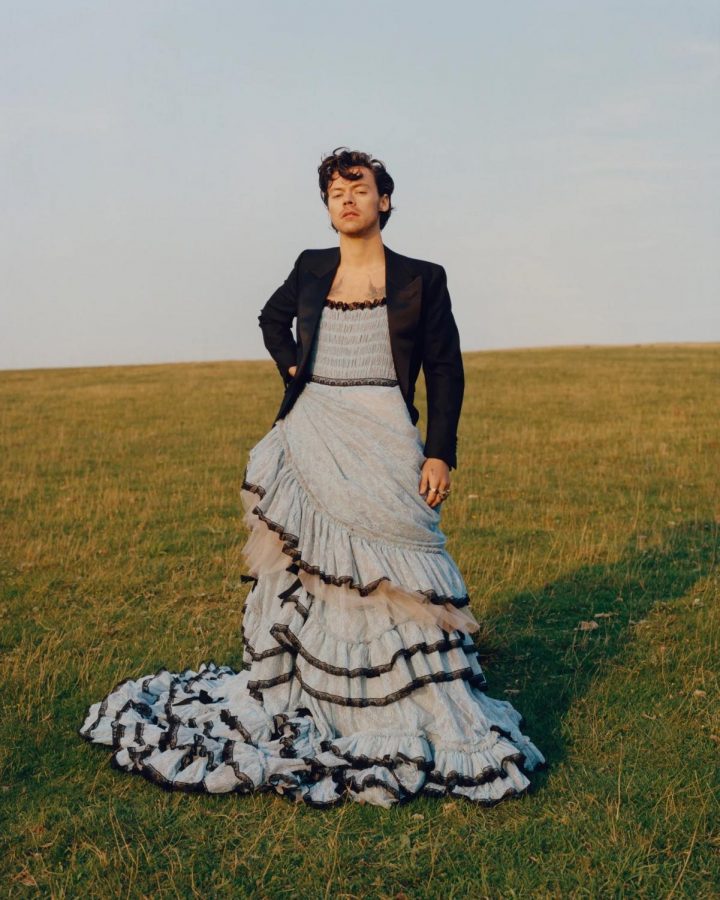
Figure 2. Media image exploring contemporary ideals of masculinity and gendered visual representation (The Revelation, 2021).
The goal of this project is to create greater awareness around how desaturation and algorithm driven visual culture may influence identity, gender performance, emotional expression, and individuality. If successful, the project could encourage audiences to become more critical of the visual systems and reward structures they engage with daily, while opening conversations around emotional desaturation, objectification, digital conformity, and authenticity. Positive implications may include greater awareness, critical dialogue, and alternative ways of thinking about self expression and representation online. Negative implications may include resistance, disagreement, or the challenge of interpreting complex emotional and identity based experiences in visual form.
By the end of the project, I hope to create an interdisciplinary visual outcome that contributes to wider conversations around identity and emotional wellbeing, while also strengthening my own research practice, creative methodology, and professional network.
Bibliography
Butler, J. (1999) Gender Trouble: Feminism and the Subversion of Identity. London: Routledge. Available at: https://selforganizedseminar.wordpress.com/wp-content/uploads/2011/07/butler-gender_trouble.pdf (Accessed: 21 May 2026).
Berger, J. (1972) Ways of Seeing. London: BBC and Penguin Books. Available at: https://monoskop.org/images/9/9e/Berger_John_Ways_of_Seeing.pdf (Accessed: 21 May 2026).
Jung, C.G. (1933) Modern Man in Search of a Soul. London: Kegan Paul, Trench, Trubner & Co. Available at: https://osanos50.wordpress.com/wp-content/uploads/2021/06/modern-man-in-search-of-a-soul-stages-of-life-1.pdf (Accessed: 21 May 2026).
The Revelation (2021) Bring Back Manly Men [Image]. Available at: https://sarevelation.com/5135/entertainment-and-media/bring-back-manly-men/ (Accessed: 21 May 2026).
University of Otago (n.d.) Hyper-sexualisation [Image]. Available at: https://otago.shorthandstories.com/hyper-sexualisation/index.html (Accessed: 21 May 2026).
Leave a Reply